
Last updated September 20, 2026
Free on-site gate assessment - hinges, posts, and your LiftMaster or Nice gate operator checked before anything is quoted
The assessment is free and the quote is the invoice.
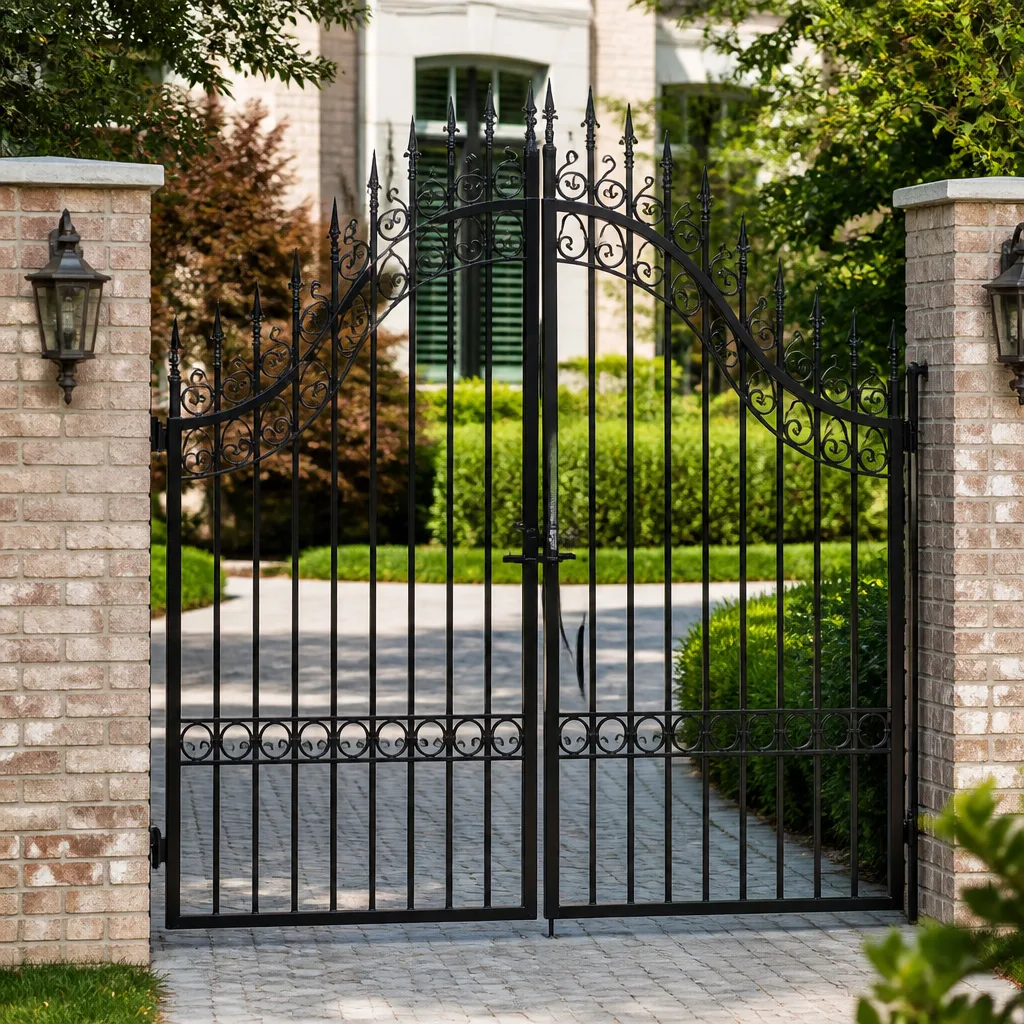
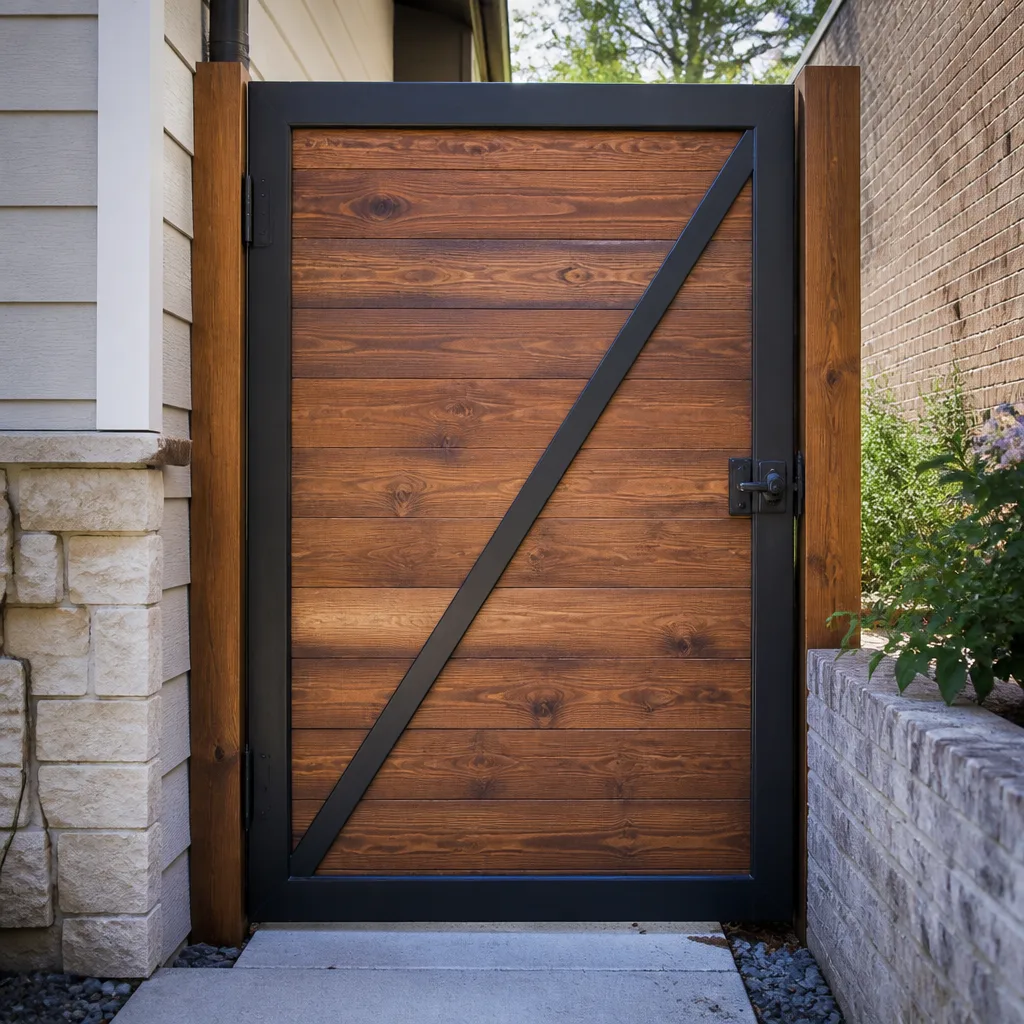
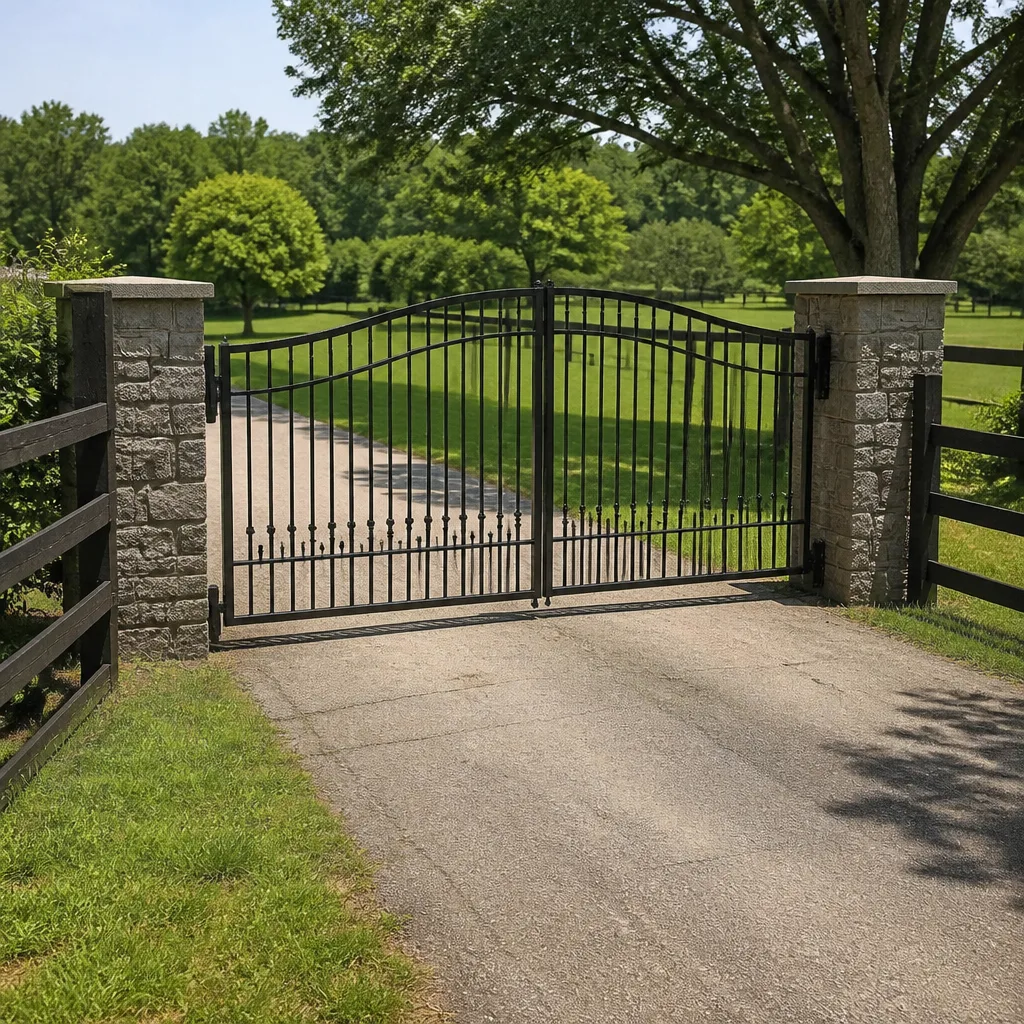
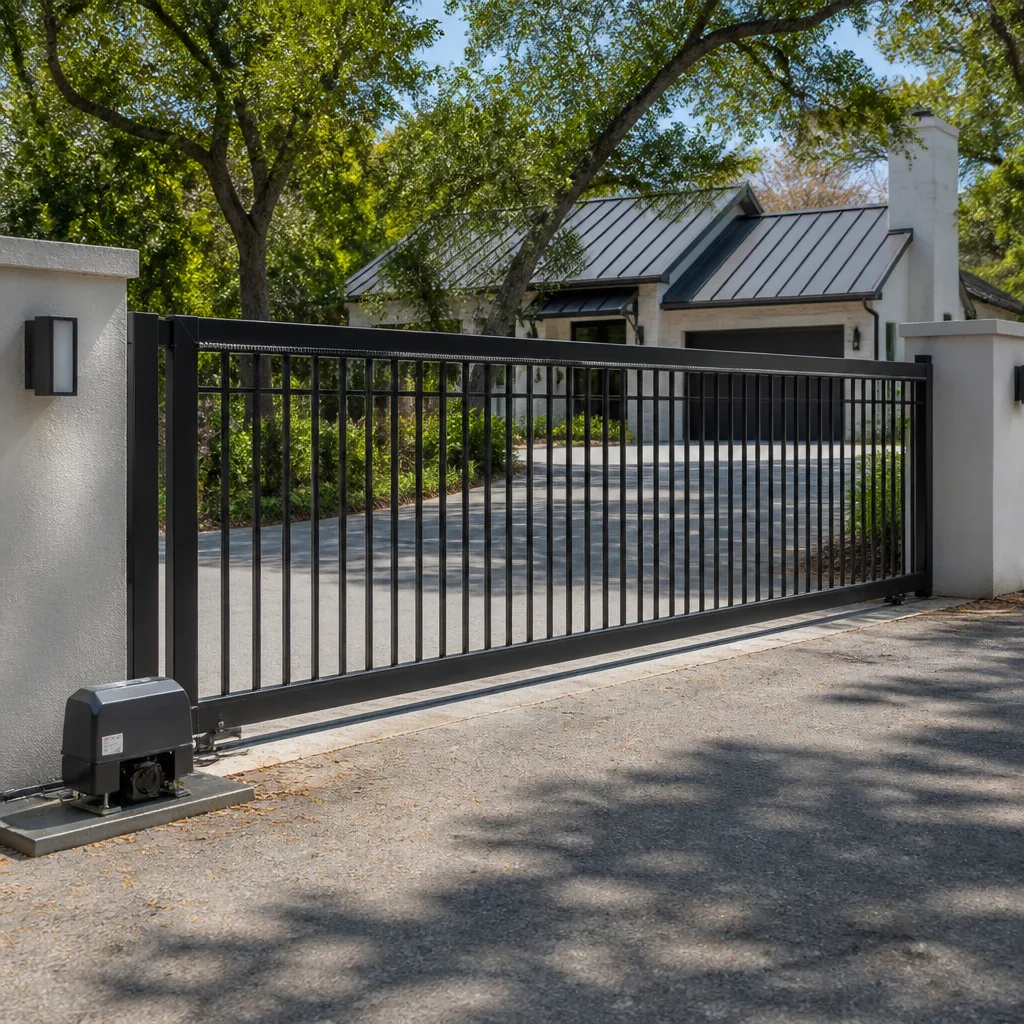
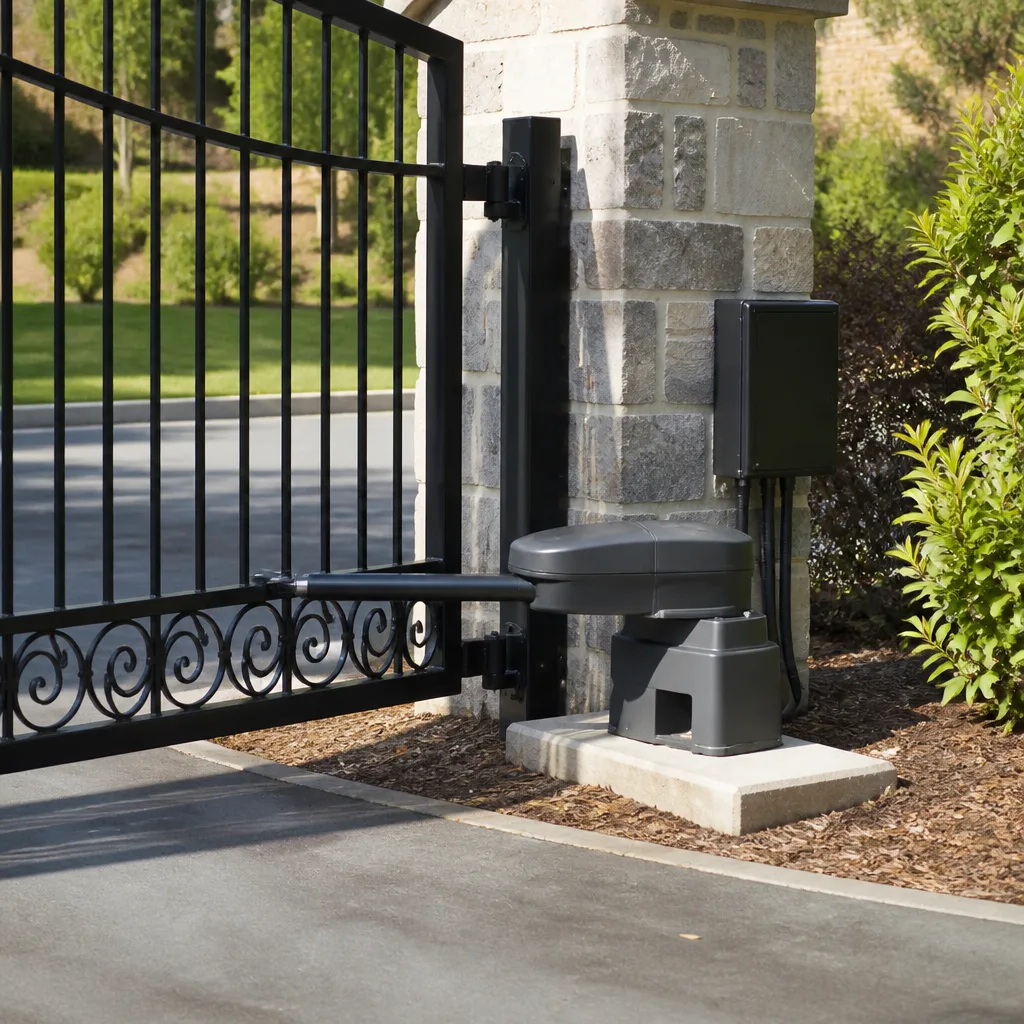
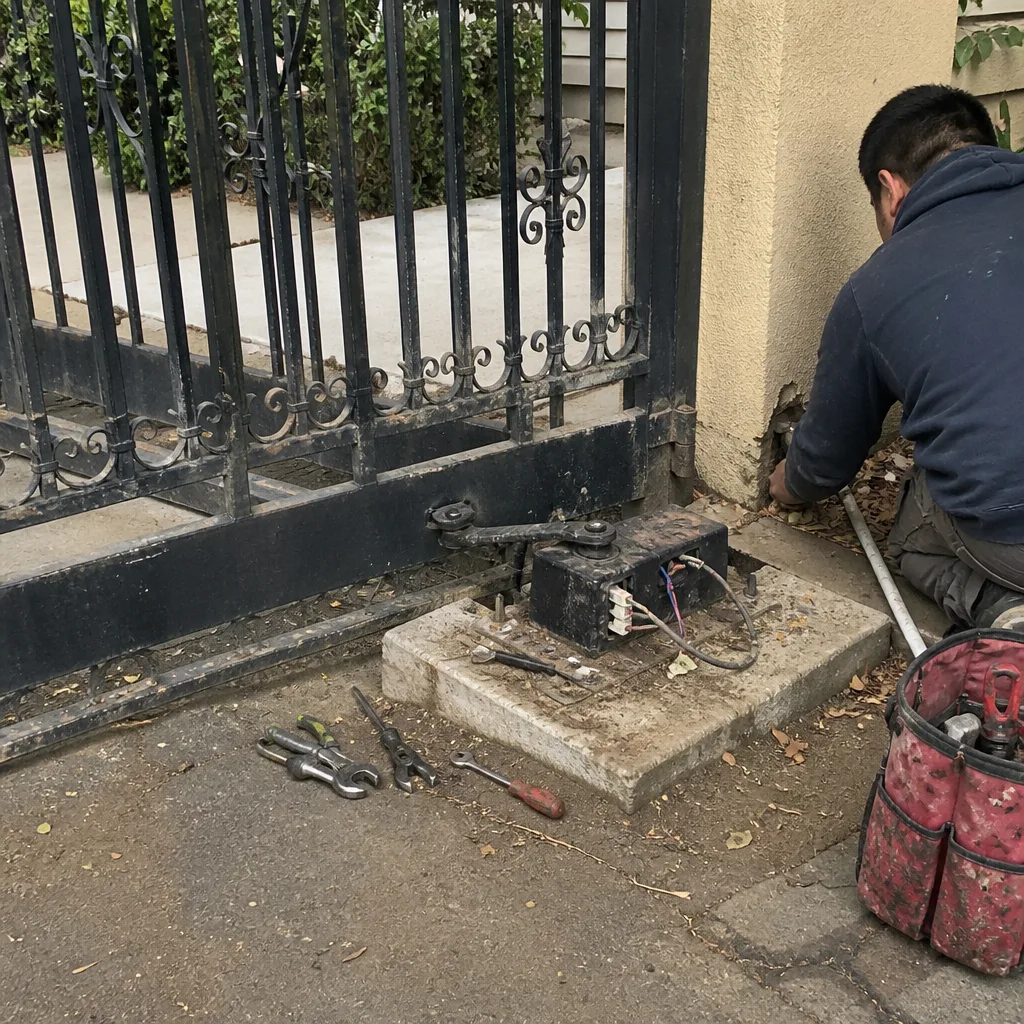 Before
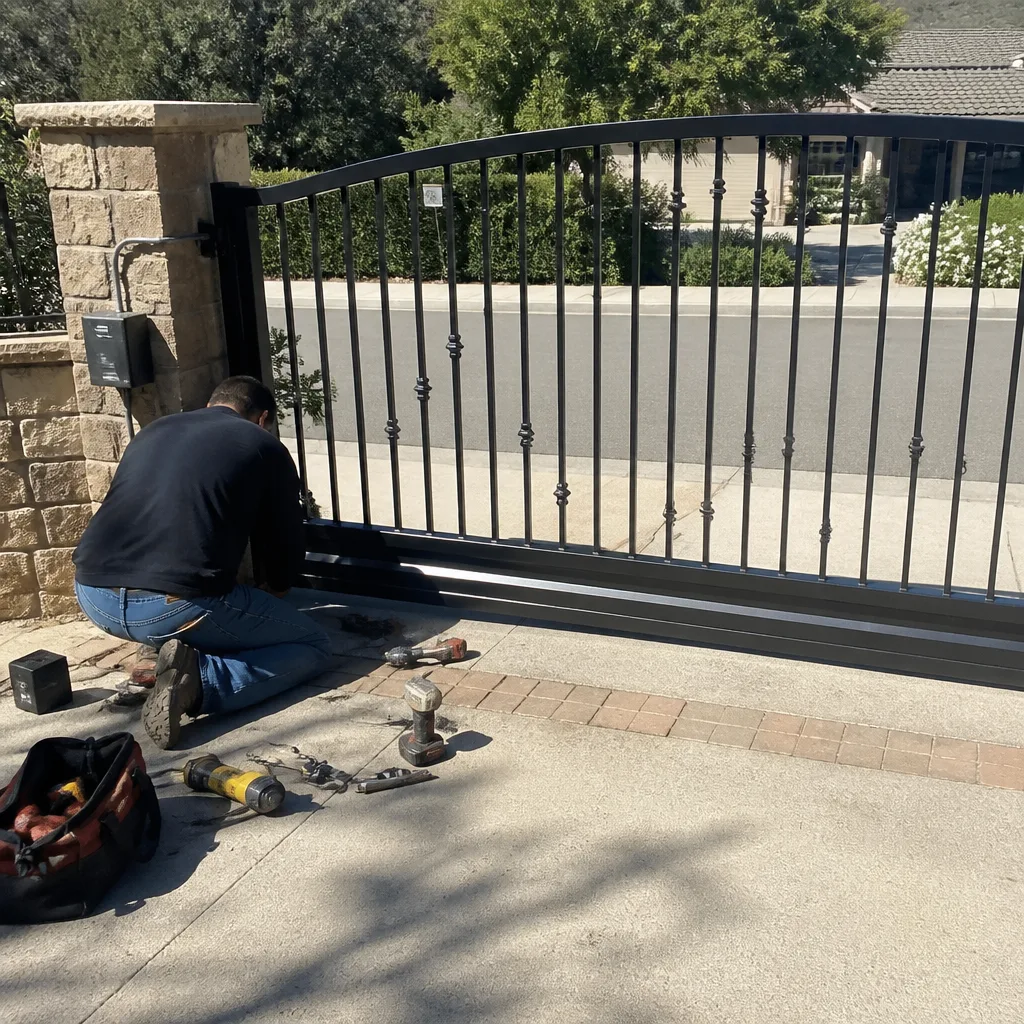 After
After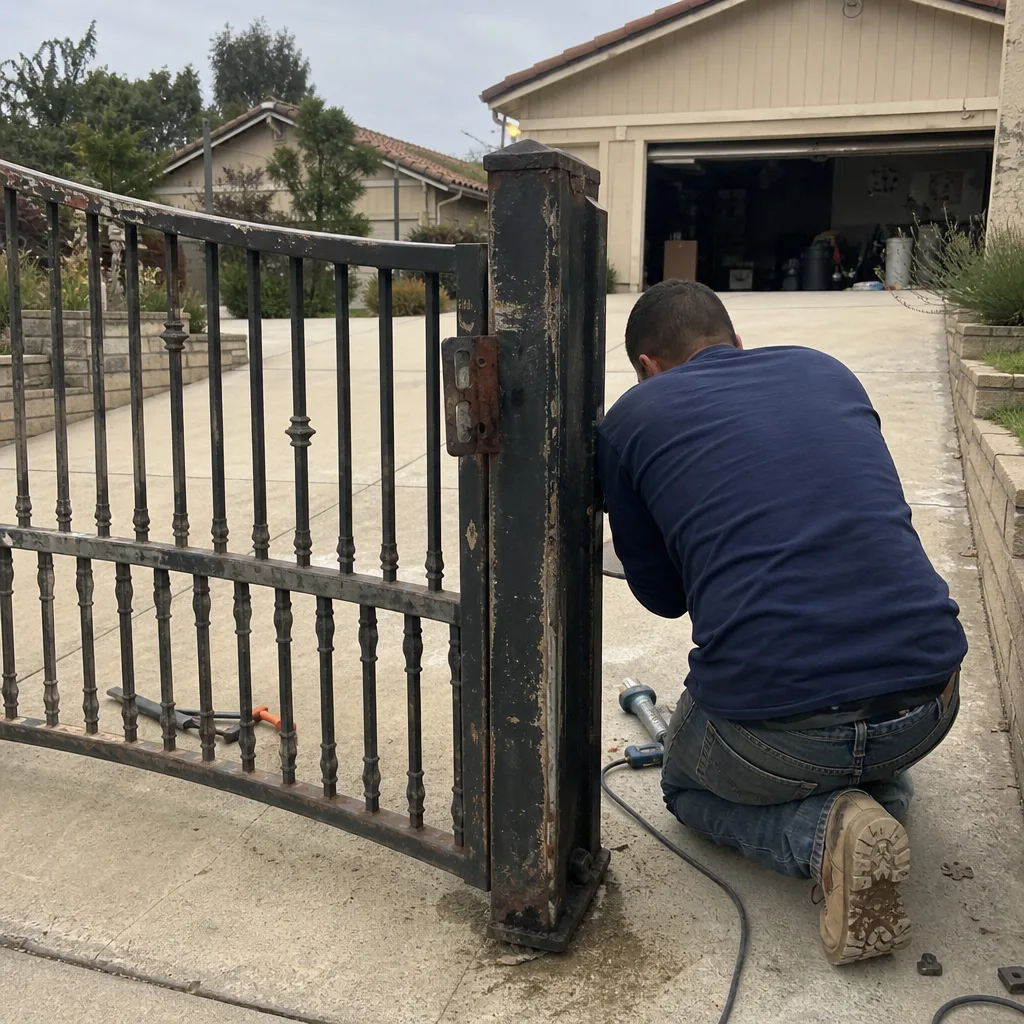 Before
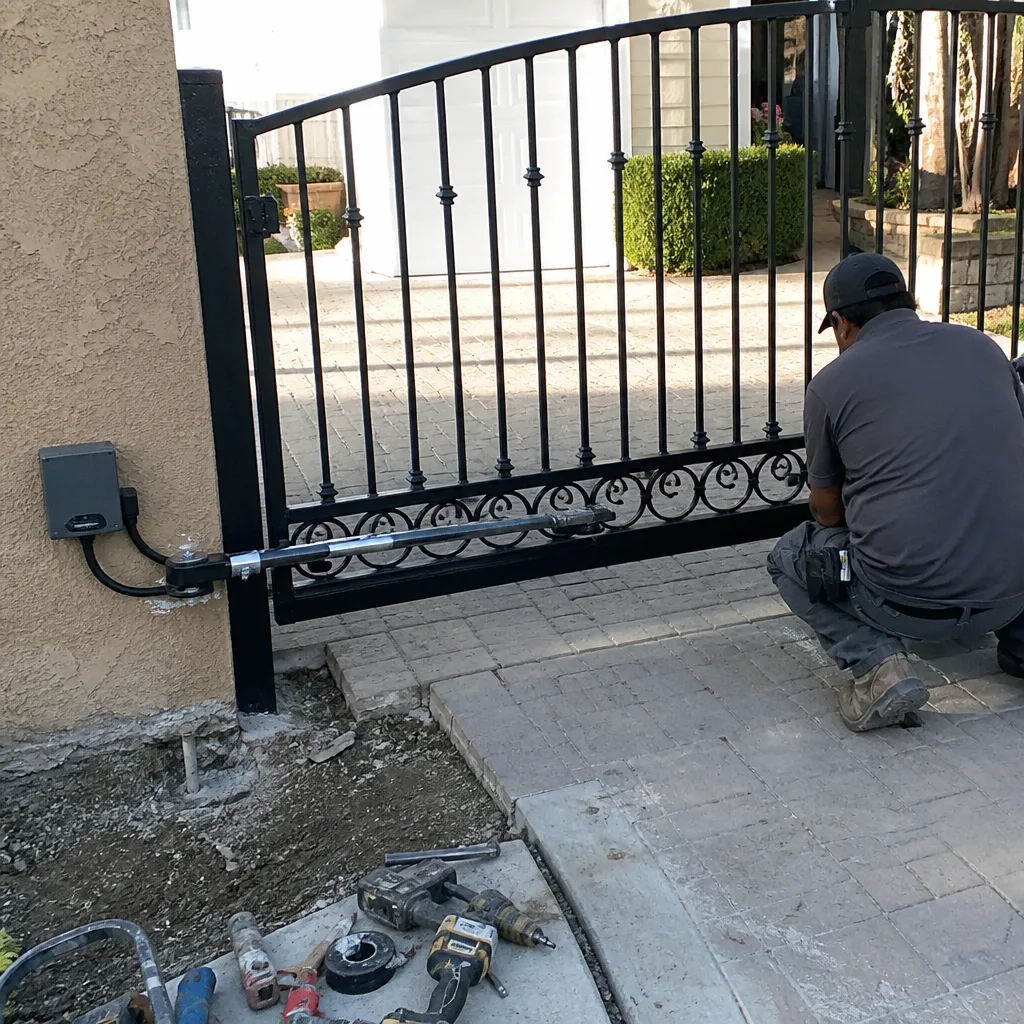 After
After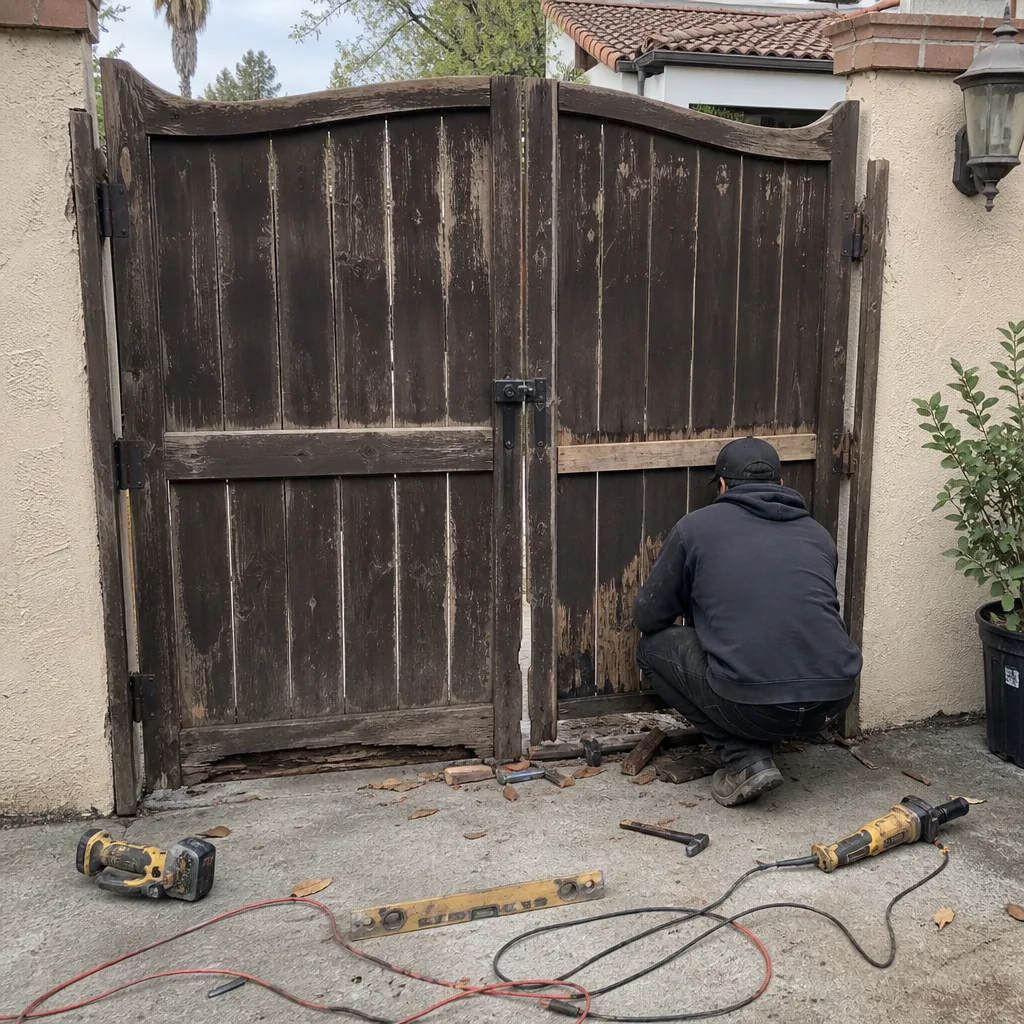 Before
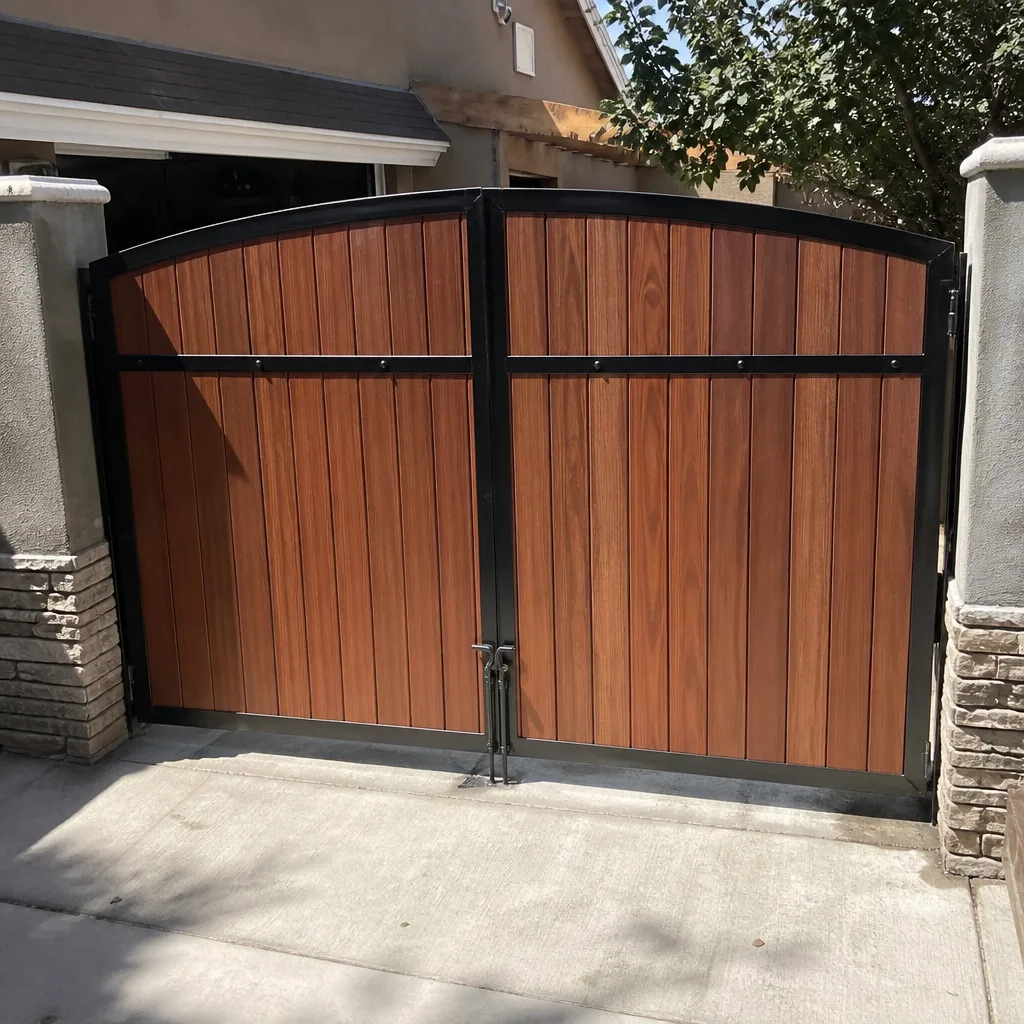 After
AfterGate Repair Permits, Codes & Inspections in CA: What You Need to Know
An automated driveway gate replacement in Camarillo can trigger a UL 325 compliance inspection even when the homeowner is only swapping the operator, not the physical gate. Most contractors don’t mention this because it adds a step to the job. That omission is exactly how unpermitted work ends up hiding in plain sight until a home sale gets delayed six weeks over a disclosure form. This guide draws the actual line between maintenance, alteration, and replacement under the current California Building Code and Ventura County AHJ guidelines, so you know before the first tool comes off the truck whether your gate repair needs a permit or just a receipt.
Quick Answer
Most gate repairs in California, including in Camarillo, do not require a permit when they’re true maintenance: replacing worn rollers, adjusting a limit switch, tightening a chain, or swapping a damaged keypad. Permits become necessary when the work crosses into alteration or replacement of the gate operator, the physical gate structure (in some cases), or the electrical supply powering the system. UL 325 entrapment protection compliance is mandatory on any automated gate, permitted or not, and unpermitted operator replacements routinely surface during Camarillo home sales through the Transfer Disclosure Statement process.
Table of Contents
- Maintenance vs. Alteration: Where Ventura County Draws the Line
- UL 325 Entrapment Protection: What the Standard Actually Mandates
- When a Gate Permit Is Required in Camarillo
- How Unpermitted Gate Work Surfaces During a Home Sale in Camarillo
- What a Ventura County Gate Permit Application Actually Requires
- The Camarillo HOA Overlay: Architectural Guidelines vs. County Permits
- What Gate Permit Compliance Costs in Camarillo
- Common Mistakes to Avoid
- When to Call a Professional
- Frequently Asked Questions
- The Bottom Line
BeforeAfterMaintenance vs. Alteration: Where Ventura County Draws the Line
The California Building Code (CBC) and the California Residential Code (CRC) don’t define “maintenance” as a single category. In practice, building officials in Camarillo and the rest of Ventura County apply a functional test: if the work restores a component to its original condition without changing its design, its mounting, or its electrical characteristics, it’s maintenance. If the work changes the component, its location, its voltage, its control logic, or its physical footprint, it’s an alteration and the permit conversation starts. That distinction is where most homeowners get misled, often by contractors who don’t want the paperwork.
Maintenance: No Permit Required
These jobs, in our experience across Camarillo driveways, are straightforward maintenance under Ventura County’s current interpretation and don’t require a building permit:
- Replacing a worn gate roller with an equivalent-size roller in the same track.
- Adjusting a limit switch that has drifted so the gate stops at the correct open and closed positions.
- Tightening a sagging drive chain on a slide gate operator.
- Lubricating hinges, tracks, and bearing points on a swing or slide gate.
- Replacing a cracked keypad cover or a damaged remote transmitter where the wiring and mounting remain unchanged.
- Realigning a photo-eye (the infrared beam that stops the gate if something crosses the path) to its original bracket position.
- Replacing a gate battery in a solar-powered operator with the same voltage and chemistry.
Alteration or Replacement: Permit May Be Required
These jobs cross into alteration or replacement territory, and the building official in Camarillo will likely want a permit:
- Swapping the gate operator for a different make or model, even if it bolts to the same pad.
- Changing the gate’s swing direction from inward to outward, which alters pedestrian safety assumptions and setback requirements.
- Replacing a manual gate with an automated one, which brings the entire assembly under UL 325 and CBC Chapter 30 requirements.
- Replacing the gate leaf itself when the new panel is heavier, taller, or fabricated from a different material than the original.
- Adding or extending an electrical circuit to power a new operator, keypad, or loop detector.
- Relocating the operator from one side of the driveway to the other.
One practical example from Camarillo: a homeowner in the Las Posas corridor replaced a failing Mighty Mule operator with a newer Mighty Mule unit on the same mounting pad. Because the replacement changed the operator’s voltage class and added an edge-sensor input that the original didn’t have, Ventura County treated it as an alteration. The permit was straightforward, but it was still a permit. Had the homeowner only replaced the Mighty Mule control board, no permit would have applied. The line is narrower than people assume.
UL 325 Entrapment Protection: What the Standard Actually Mandates
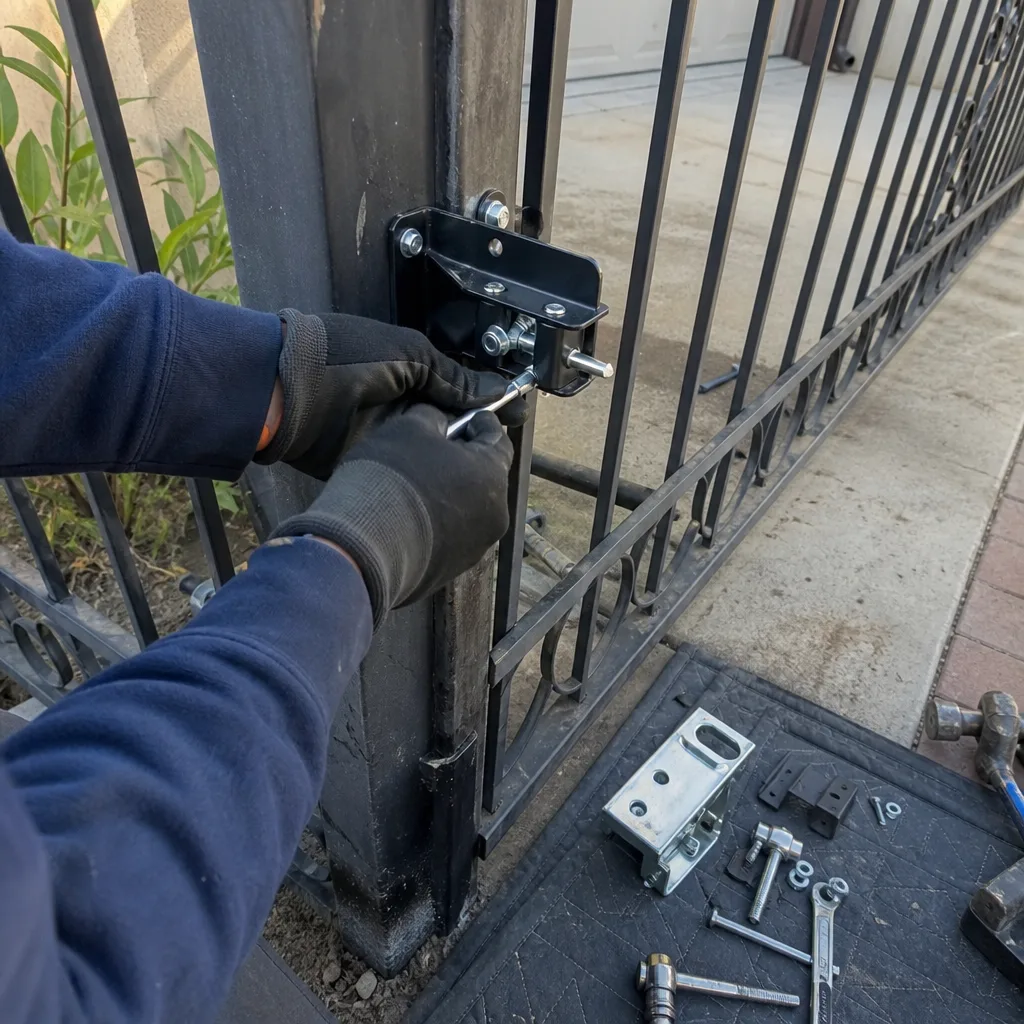
UL 325 is the national safety standard for automated gate operators, and it’s incorporated by reference into the California Building Code. That means compliance isn’t optional and isn’t a “nice to have.” The standard governs how a gate must behave when it encounters a person, a pet, or a vehicle in its path. In Camarillo, any new or replacement gate operator sold and installed must meet the current UL 325 revision, and many inspections focus primarily on entrapment protection because that’s where the injuries happen.
The Core Mandate: Two Independent Means of Protection
UL 325 requires that every automated gate have at least two independent entrapment protection mechanisms that operate without user action. Independent means one system failing doesn’t disable the other. The standard recognizes three primary device types:
- Type A: Inherent entrapment protection - the operator itself detects an obstruction through motor current sensing or speed monitoring and reverses direction. This is built into the operator’s control board.
- Type B1: Non-contact sensors - photo-eyes or infrared beams mounted across the gate opening that stop and reverse the gate when the beam is interrupted. A photo-eye mounted roughly 18 to 24 inches off the ground and a second one at the mid-height of the gate leaf is the typical residential arrangement.
- Type B2: Contact sensors - edge sensors, pressure strips, or other physical devices that stop the gate when contact is made with a person or object. On a slide gate, these mount on the leading edge, trailing edge, and the back of the gate leaf.
What Camarillo Inspectors Typically Check
- Photo-eye placement and alignment. The inspector will verify sensors are positioned to cover the entrapment zones on both the open and close cycles. Misaligned photo-eyes account for a large share of UL 325 inspection failures we’ve corrected in Camarillo.
- Force settings. The operator’s force or sensitivity setting must be low enough that the gate reverses with minimal resistance on a test object, usually a 2×4 placed in the gate path.
- Warning signage. UL 325 and CBC require specific warning signs mounted on both sides of the gate, visible from the street and the property side, stating the gate is automatic and may operate without warning. Missing or faded signs are an automatic correction notice.
- Edge sensor functionality where applicable. On slide gates, contact edges are mandatory if the gate can close into a fixed object, a wall, or a post with a gap under six inches.
- Loop detector operation. Vehicle loops (the buried wire loops that detect a car and hold the gate open) must be programmed with the correct exit and entry delay times so the gate doesn’t close on a vehicle backing out.
- Replacement of an automated gate operator with a different make or model, a different horsepower class, or a different voltage. Swapping a 1/2 HP FAAC for a 1/2 HP FAAC of the same model series is maintenance. Swapping a FAAC for a BFT or a Ghost Controls is alteration.
- New electrical work of any kind associated with the gate: a new circuit, a new outlet, a new disconnect switch, new conduit run, or adding a battery backup system wired into the panel.
- New gate installation where no gate previously existed or where a manual gate is being converted to automated operation.
- Structural changes to the gate itself including increasing gate height, changing gate material from a lightweight aluminum panel to a heavy steel frame with wood infill, or replacing gate posts with larger footings.
- Adding a pedestrian gate adjacent to the vehicle gate where the pedestrian gate will be automated or will share the same control system.
- The buyer’s home inspector notes the gate operator. Many home inspectors in Ventura County flag automated gates for UL 325 compliance and ask whether permits were pulled.
- The buyer requests permit records. Through the buyer’s agent, the buyer asks the seller to produce the building permit for the gate operator. If none exists, the seller has a compliance gap.
- One of two outcomes follows. Either the seller agrees to obtain the permit retroactively and pay for any corrections the inspector requires, or the parties negotiate a credit against the purchase price to cover the buyer’s cost of bringing the gate into compliance.
- The correction itself usually involves a Ventura County inspection of the existing operator, often with a photo-eye alignment adjustment, force-setting changes, and signage replacement before the inspector signs off.
- Site plan - a simple drawing, not architect-stamped, showing the property line, the driveway, the gate position, the operator location, the fence line, and the distance from the gate to the sidewalk or curb if one exists.
- Operator specifications - the make, model, voltage, horsepower, and the UL 325 compliance listing for the operator being installed. The spec sheet from the manufacturer generally satisfies this.
- Electrical scope - a short description of how the operator is powered: existing circuit, new circuit, dedicated outlet, or solar with battery backup. If new electrical work is included, the county may require the electrical portion to be performed under a separate electrical permit.
- Entrapment protection plan - a description of the specific photo-eye, edge sensor, or loop detector placement. Many Camarillo applicants simply reference the manufacturer’s installation diagram.
- Property owner signature - if a homeowner is acting as owner-builder, the county requires a signed declaration. If a licensed contractor is pulling the permit, the contractor’s license number goes on the application.
- File the ARC application first with the HOA management company. Include a spec sheet for the operator, a photo of the existing gate, and the proposed mounting detail. ARC reviews typically run 30 to 45 days under California’s Davis-Stirling Act timelines for architectural applications.
- Get the written ARC approval. Don’t rely on a verbal approval from a committee member. The written approval becomes part of your paper trail if a future buyer or a future board disputes the work.
- File the county permit. Submit the ARC approval alongside the permit application if the HOA enforces specific gate height or setback requirements. County staff don’t require the ARC letter, but it can resolve plan-check questions about unusual setbacks.
- Install after both approvals are in hand. Starting before the ARC letter arrives is the single most common Camarillo HOA dispute we see related to gates.
- Assuming all gate repairs need a permit. The “better safe than sorry” contractor who files for a permit on a roller replacement is padding the invoice and slowing the job. Maintenance work on an existing gate, performed without changing the operator, the wiring, or the gate structure, doesn’t require a permit in Camarillo.
- Swapping a gate operator without checking the UL 325 status of the existing gate. A newer operator on an older gate leaf can still fail an inspection if the photo-eyes are missing, the warning signage is absent, or the gate force settings exceed the standard’s limits. The permit covers the work, not the existing assembly’s deficiencies, which the inspector can still flag.
- Getting the HOA and county permit sequence backward. Camarillo HOAs in Mission Oaks and the newer tracts north of the freeway routinely deny ARC applications that were filed after the gate work was already completed, and the HOA’s remedy is removal, not a fine. County permit issuance doesn’t shield you from the HOA.
- Filing the TDS without mentioning the gate operator. Sellers in Camarillo who answer “no” to the unpermitted-improvements question and later have a buyer discover an unpermitted operator are exposed to post-closing claims. The disclosure isn’t rescinded by ignorance if the seller signed off knowing the operator was there.
- Treating UL 325 as a paperwork formality. The entrapment protection devices have to work when the inspector tests them, not just be present. Photo-eyes that are mounted but not aligned, or force settings left at factory defaults, are the two most common fail items we correct on permit inspections.
- Skipping the signage because “the gate is small.” UL 325 warning signs are mandatory on every automated gate, residential or commercial, regardless of size. The signs cost under $30 and take five minutes to mount. Missing signs are an automatic correction notice from Ventura County inspectors.
- Not photographing the finished installation. In Camarillo, a documented photo record of what was installed, where sensors were placed, and what the warning signage looks like protects the homeowner in a future sale, an HOA dispute, or a permit reinspection. We take those photos on every job under our documentation standard, and homeowners who do their own work should do the same.
We use DoorKing, Ghost Controls, and Elite operators frequently on Camarillo jobs, and each has different force-adjustment menus and sensor input assignments. An inspector doesn’t care what brand is on the pad. The inspection checks whether the gate stops and reverses safely under load, whether the photo-eyes are aligned, and whether the signage is legible. If those three pass, the brand is irrelevant.
When a Gate Permit Is Required in Camarillo
The trigger isn’t the word “repair.” It’s the scope of work. Ventura County’s Building and Safety Division, which provides building code enforcement for Camarillo, takes the position that a permit is required whenever the work includes any of the following:
A useful shorthand: if the work needs an electrician or a concrete pour, assume a permit is in play. If the work is a part-for-part swap using a hand tool and no wiring changes, you’re likely in maintenance territory. Still, the safest step in Camarillo is a phone call to Ventura County Building and Safety or a quick check of their online permit portal before ordering the operator. For Gate Repair Warning Signs: A Camarillo Homeowner’s Reference Guide, see our detailed breakdown. Permits for simple operator replacements are generally issued quickly, in many cases over the counter or within a few business days for single-family residential work.
How Unpermitted Gate Work Surfaces During a Home Sale in Camarillo
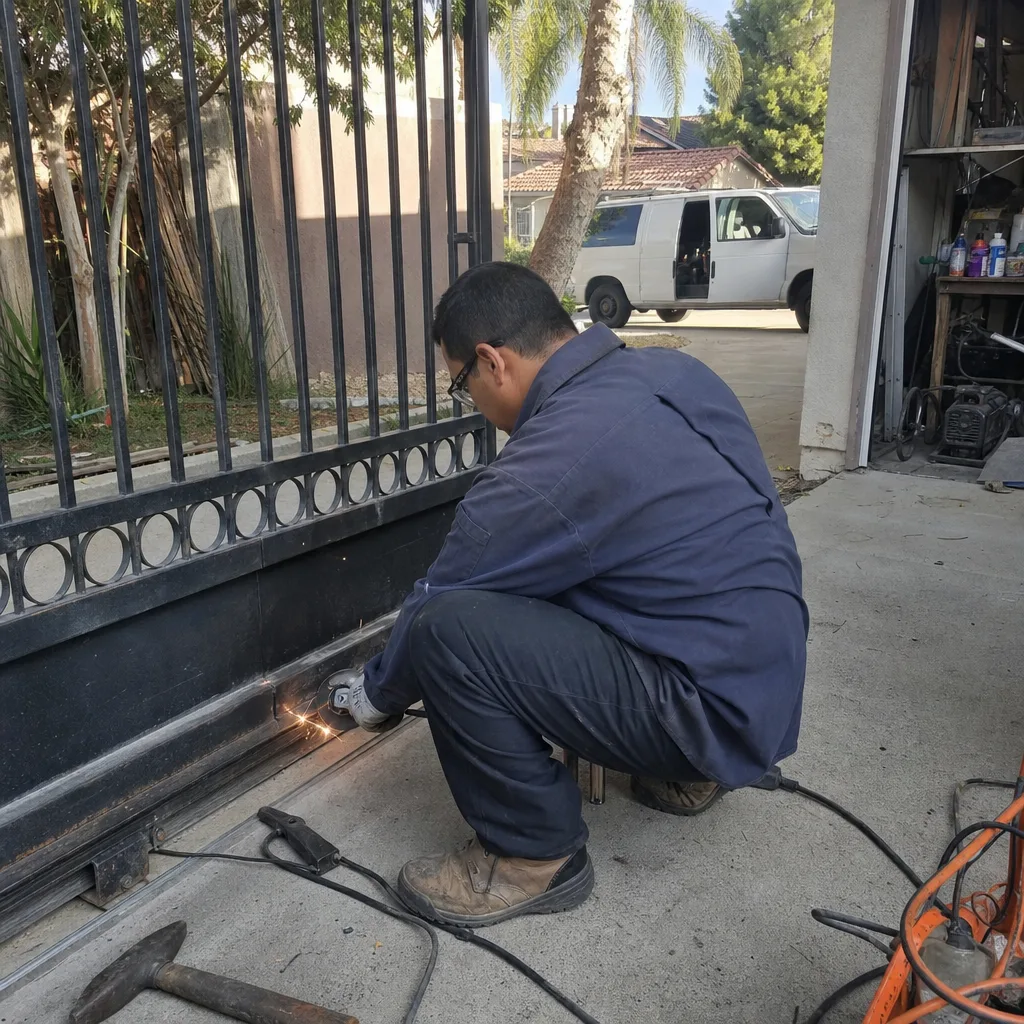
California Civil Code requires sellers to complete a Transfer Disclosure Statement (TDS) on residential resale. The TDS includes a section specific to permits and unpermitted improvements. An automated gate operator installed without a permit is an unpermitted improvement, and the seller is legally obligated to disclose it if the seller knows about it. Sellers who honestly don’t know the operator was installed without a permit can still face claims later if the buyer discovers it through inspection.
Here’s the specific sequence in Camarillo that we’ve seen play out:
Cost exposure to the seller typically runs between a few hundred dollars for a simple post-permit with minor corrections to several thousand dollars if the operator fails and must be replaced to meet current UL 325 requirements. The expense isn’t the permit fee itself, which is modest. It’s the correction work, the reinspection, and the closing delay while the paperwork catches up. For a Camarillo seller with a closing date under contract, even a two-week delay over a gate permit is expensive.
What a Ventura County Gate Permit Application Actually Requires
If you’re filing for a gate operator replacement permit in Camarillo, the application package is leaner than most people expect, but it’s specific. Ventura County Building and Safety typically asks for the following on a single-family residential gate operator permit:
Timeline in Camarillo runs from same-day issuance for over-the-counter filing to roughly one to two weeks for online submittals that require plan-check review. The final inspection is scheduled after the operator is installed and usually passes on the first visit when the photo-eyes are aligned, the force settings are conservative, and the UL 325 signage is already on the gate before the inspector arrives.
The Camarillo HOA Overlay: Architectural Guidelines vs. County Permits
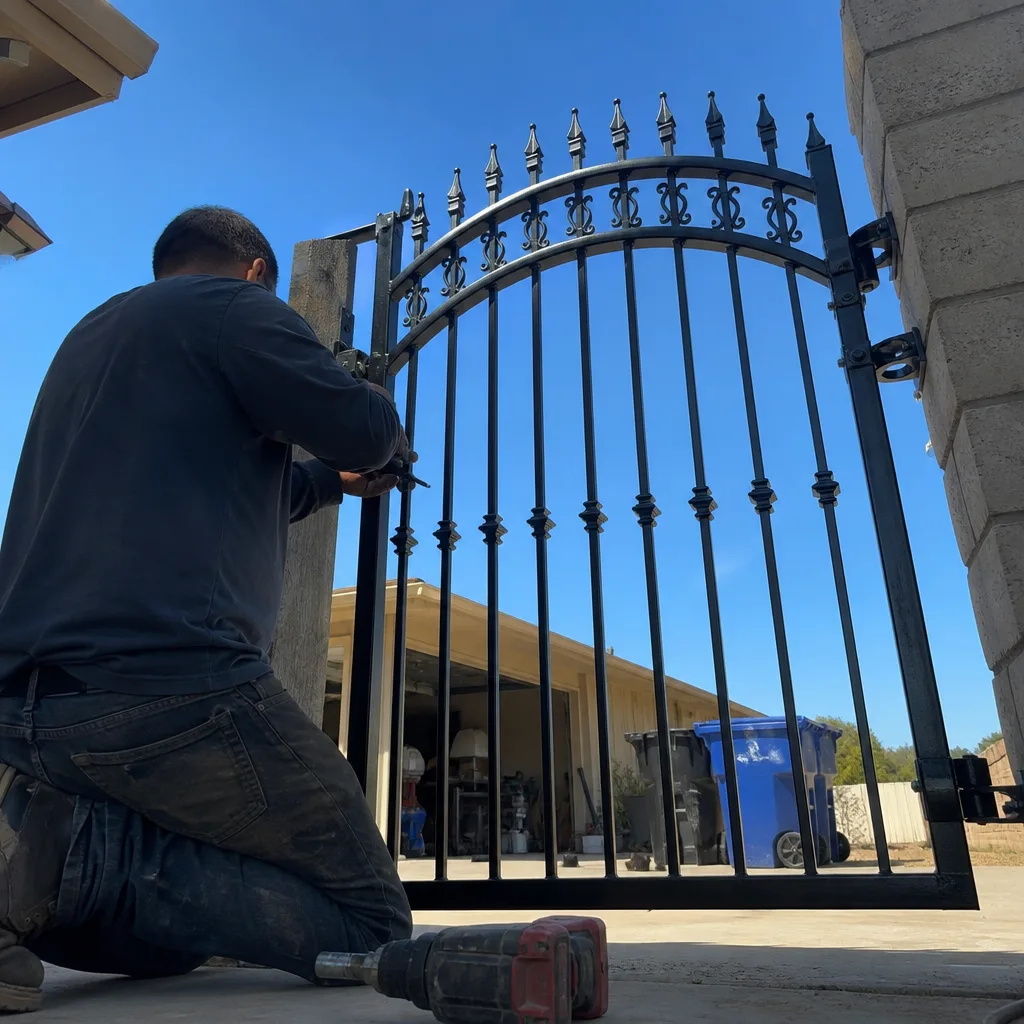
Camarillo has a patchwork of HOAs, particularly in the newer developments north of the 101 and in the Mission Oaks area, where architectural review committees (ARCs) maintain written standards covering fence height, gate style, gate color, and even operator placement. HOA approval and county permitting are separate processes, and getting the order wrong creates problems in both directions.
A county permit application for a gate operator doesn’t ask whether the HOA approved the work. The county cares about code compliance, not aesthetics. But if the HOA later objects to the gate’s appearance, its height, or the operator’s exposed position, the homeowner can be ordered to modify or remove the work, including work that already passed a county inspection. The permit doesn’t protect the homeowner from the HOA.
The smarter sequence in Camarillo is therefore:
Some Camarillo HOAs also maintain a “pre-approved gate styles” list. If the manual gate being automated matches a pre-approved style, the ARC review is often shortened. If the gate is being replaced entirely, the new style must come from the approved list or go through full ARC review. It’s a friction point, but it’s predictable once you know the sequence.
What Gate Permit Compliance Costs in Camarillo
We track costs across every Camarillo gate job, and the permit-related portion is consistently the smallest line item on the invoice. Here are the ranges we’ve seen for single-family residential work in Camarillo and the surrounding Ventura County area:
| Item | Typical Cost Range |
|---|---|
| Gate operator replacement permit (Ventura County) | $150 - $400 |
| Over-the-counter plan review (if required) | $50 - $150 |
| UL 325 signage set (both sides of gate) | $20 - $60 |
| Photo-eye alignment correction (labor) | $75 - $150 |
| Force-setting adjustment (labor) | $50 - $100 |
| Post-permit for unpermitted existing operator | $200 - $600 plus corrections |
| Electrical permit (new circuit, if needed) | $100 - $300 |
These are ranges we’ve observed on our own jobs and on corrections for other contractors’ work around Camarillo. The actual Ventura County fee schedule changes periodically, and an over-the-counter filing will give the current number. What we want you to notice is the pattern: the permit itself is the cheap part. The corrections, the reinspection, and the closing-delay exposure on a home sale are where unpermitted gate work actually costs money.
Common Mistakes to Avoid
When to Call a Professional
A permit application is paperwork. A code-compliant gate installation is a mechanical, electrical, and safety job with real liability attached. Call a professional when the gate operator is being replaced rather than repaired, when any new electrical circuit is involved, when the existing gate lacks UL 325 entrapment protection devices, or when a home sale is weeks away and an unpermitted operator has surfaced on the disclosure. The same applies when an HOA has denied an ARC application and the gate needs to be modified to match an approved style. Gate repair in Camarillo with proper documentation takes the guesswork out of both the permit and the inspection. Vance Gate Repair Camarillo offers free estimates in Camarillo – call (805) 516-0855.
Frequently Asked Questions
No, not for maintenance repairs like roller replacement, hinge tightening, limit switch adjustment, or keypad repair, provided the operator, wiring, and gate structure remain unchanged. A permit is generally required when the gate operator is replaced with a different model, when new electrical work is added, or when a manual gate is converted to automated operation. If you’re not sure, call Ventura County Building and Safety or ask the company doing the work to confirm in writing. You can also consult How to Hire a Gate Repair Contractor in Camarillo: A Step-by-Step Guide to vet your installer.
UL 325 is the national safety standard for automated gate operators, adopted into the California Building Code, requiring at least two independent entrapment protection mechanisms plus visible warning signage. It matters because Ventura County inspectors test for UL 325 compliance on every gate permit inspection, and because unpermitted, non-compliant gates create disclosure problems during Camarillo home sales.
You can physically replace the operator, but the permit requirement doesn’t disappear because the work is DIY. An unpermitted operator replacement becomes a disclosure item on the TDS when you sell, and Ventura County can require a post-permit with corrections at your expense. If the operator is a like-for-like swap with no electrical changes, the line is closer to maintenance, but different brand or model replacements generally trigger a permit in Camarillo.
The Ventura County permit fee for a single-family gate operator replacement typically runs between $150 and $400, with occasional over-the-counter plan check fees of $50 to $150. The permit itself is the affordable part. Corrections, reinspection, and the closing delays from unpermitted work are where the real cost lands. Call (805) 516-0855 for an exact breakdown on your specific gate.
It depends on the scope. Maintenance repairs like roller replacement are typically exempt from ARC review. Gate replacement, automation, and often operator replacement fall under the HOA’s architectural guidelines, and the ARC application should be filed before the county permit application. Starting gate work before the ARC letter arrives is the most common HOA dispute we see in Camarillo’s newer developments. Browse more guides & resources on navigating local requirements.
Yes. The process for a Camarillo home sale generally starts with a site visit to photograph the existing operator, test the entrapment protection devices, and list the corrections required to bring the gate into UL 325 compliance. We then either perform the corrections and schedule the Ventura County inspection or provide a written scope you can hand to the buyer’s agent as a negotiation credit. Gate installation in Camarillo is our core work, so the compliance path is familiar ground.
The Bottom Line
California gate permit requirements are not a gray area once you see the threshold: maintenance stays on the no-permit side, and operator replacement, electrical changes, and manual-to-automatic conversion cross onto the permit side. UL 325 compliance rides on every automated gate in Camarillo, permitted or not, and an unpermitted operator is a disclosure liability that shows up at the worst possible time, mid-escrow. Gate motor and opener service in Camarillo done correctly includes the documentation that survives an inspection, a resale, and an HOA review. The permit isn’t the expensive part. Skipping it is.
Written by Adrian Vance, Owner at Vance Gate Repair Camarillo, serving Camarillo since 2014.